


Outstanding Innovator
Recognizes four individual Mitacs program participants (students or postdoctoral fellows) whose research shows exceptional potential for broader societal or economic impact.
Now in their 16th year, the Mitacs Innovation Awards celebrate the people and partnerships turning research, talent, and ambition into real-world results.
From breakthrough research and inclusive innovation to start-up growth, commercialization, mentorship, and industry collaboration, the awards recognize the achievements that help build a stronger and more resilient Canadian economy.
Each year, the Mitacs Innovation Awards bring together leaders from research, business, post-secondary institutions, government, and the broader innovation ecosystem to celebrate the impact of Mitacs-supported work across Canada.
November 23, 2026
National Arts Centre
Ottawa, ON
Canada is competing for what comes next. The economies that succeed will be built on ambition, speed, and talent that can transform research into results.
The Mitacs Innovation Awards celebrate that work in action.
They are an opportunity to:
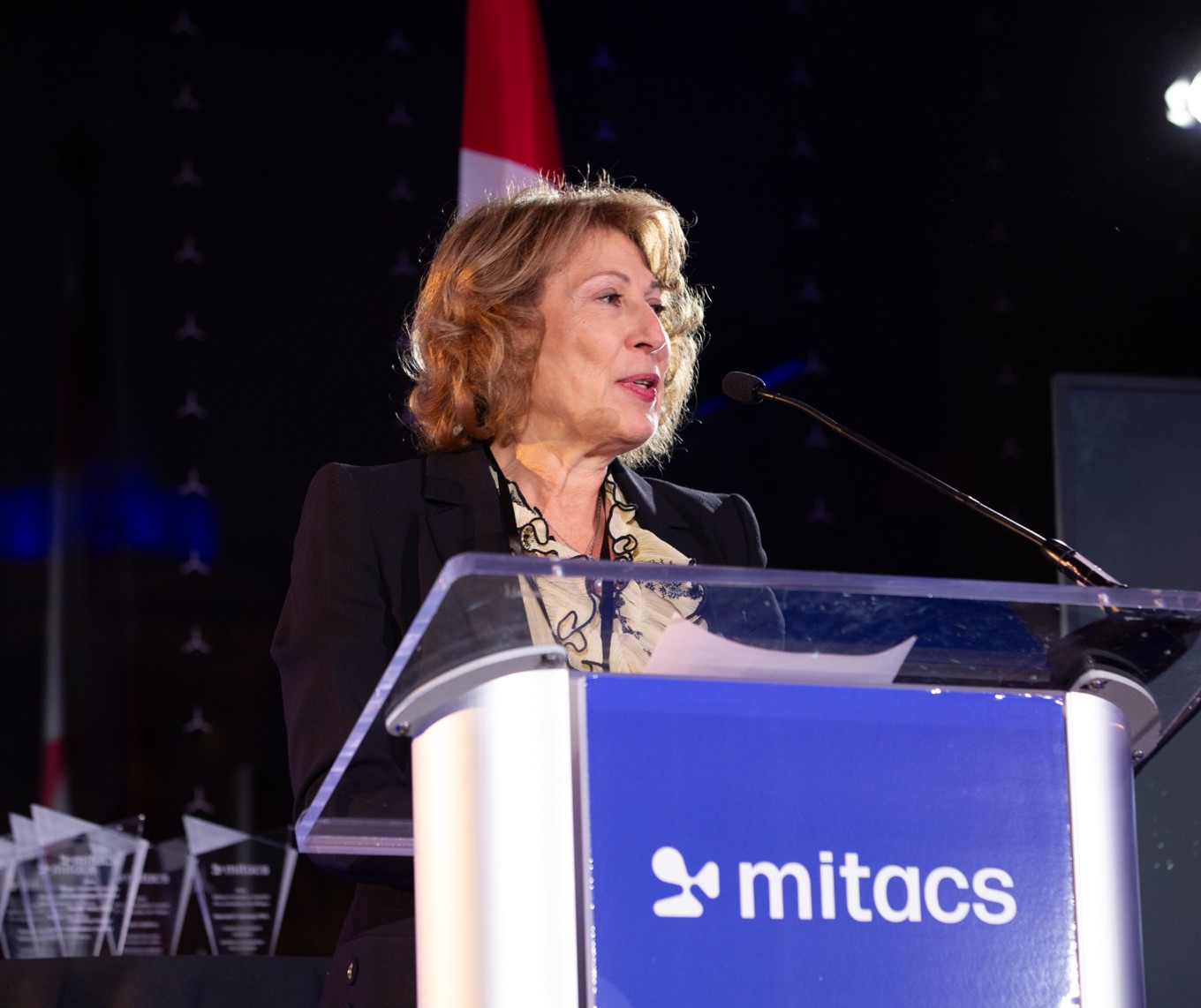 Dr. Mona Nemer
The Mitacs Innovation Awards is such an inspiring and an energizing evening. I am thrilled by all the talent we have coming from all over the world, who choose to stay in Canada and to innovate in Canada. I would also like to thank those who go back to their home countries and become our ambassadors.
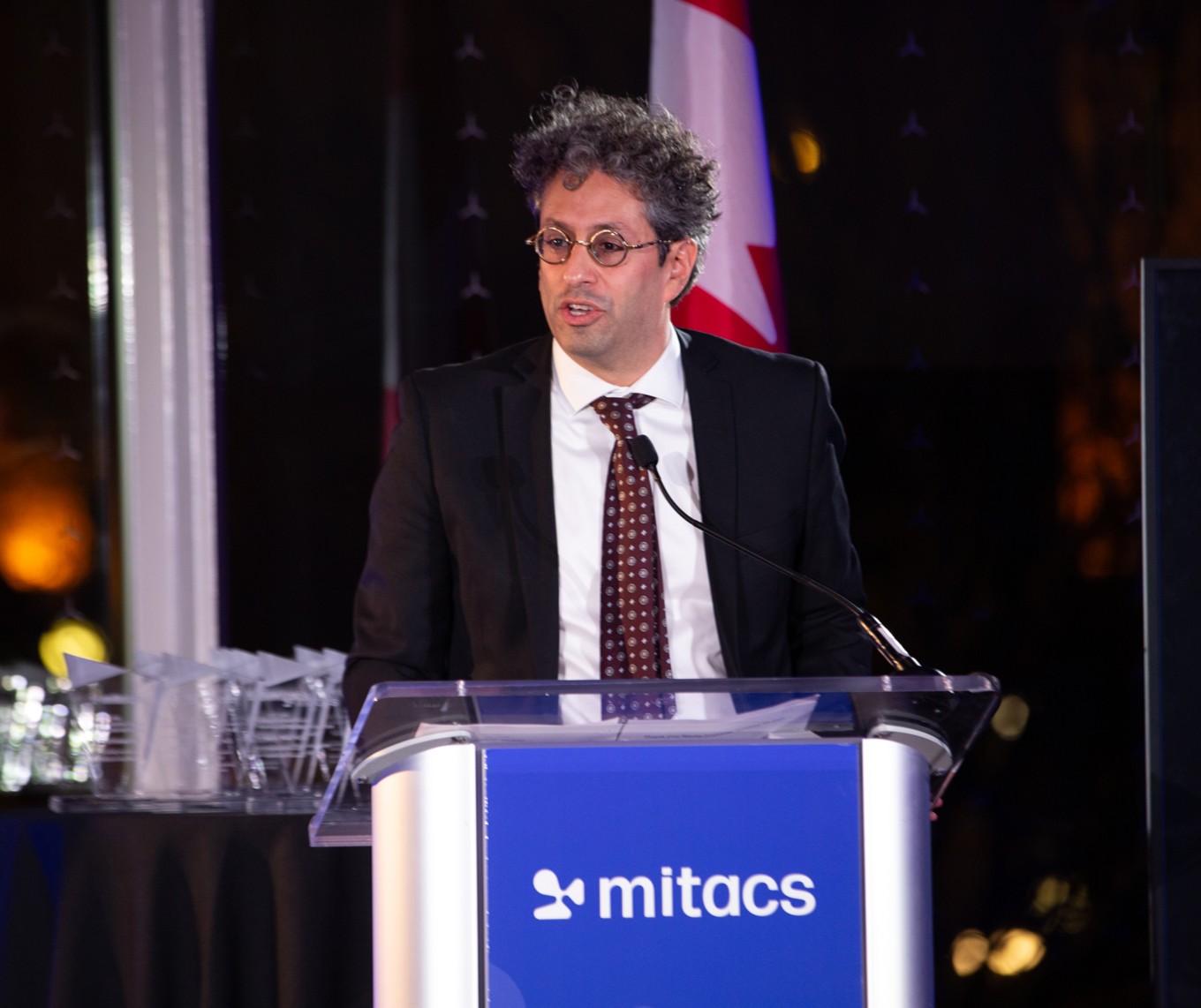 Karim Bardeesy
Mitacs bridges academia and industry by connecting passionate talent with real-world challenges, helping people discover opportunities they never knew existed and solutions they never knew were possible.
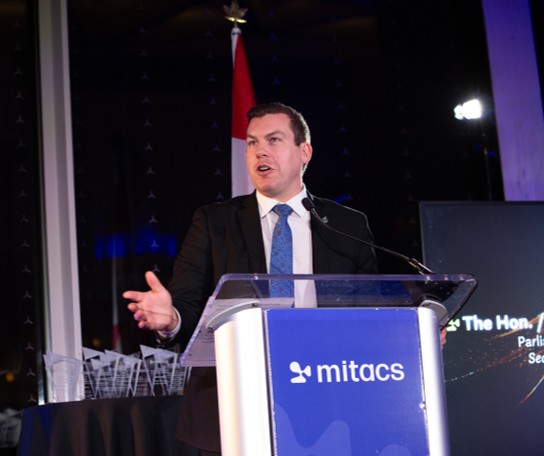 Hon. Kody Blois
On behalf of the Prime Minister and the Government, I want to thank each of you here today. Your work in science and research not only helps solve society’s challenges but also drives our country’s economic growth. Every contribution you make is part of Canada’s innovation engine.
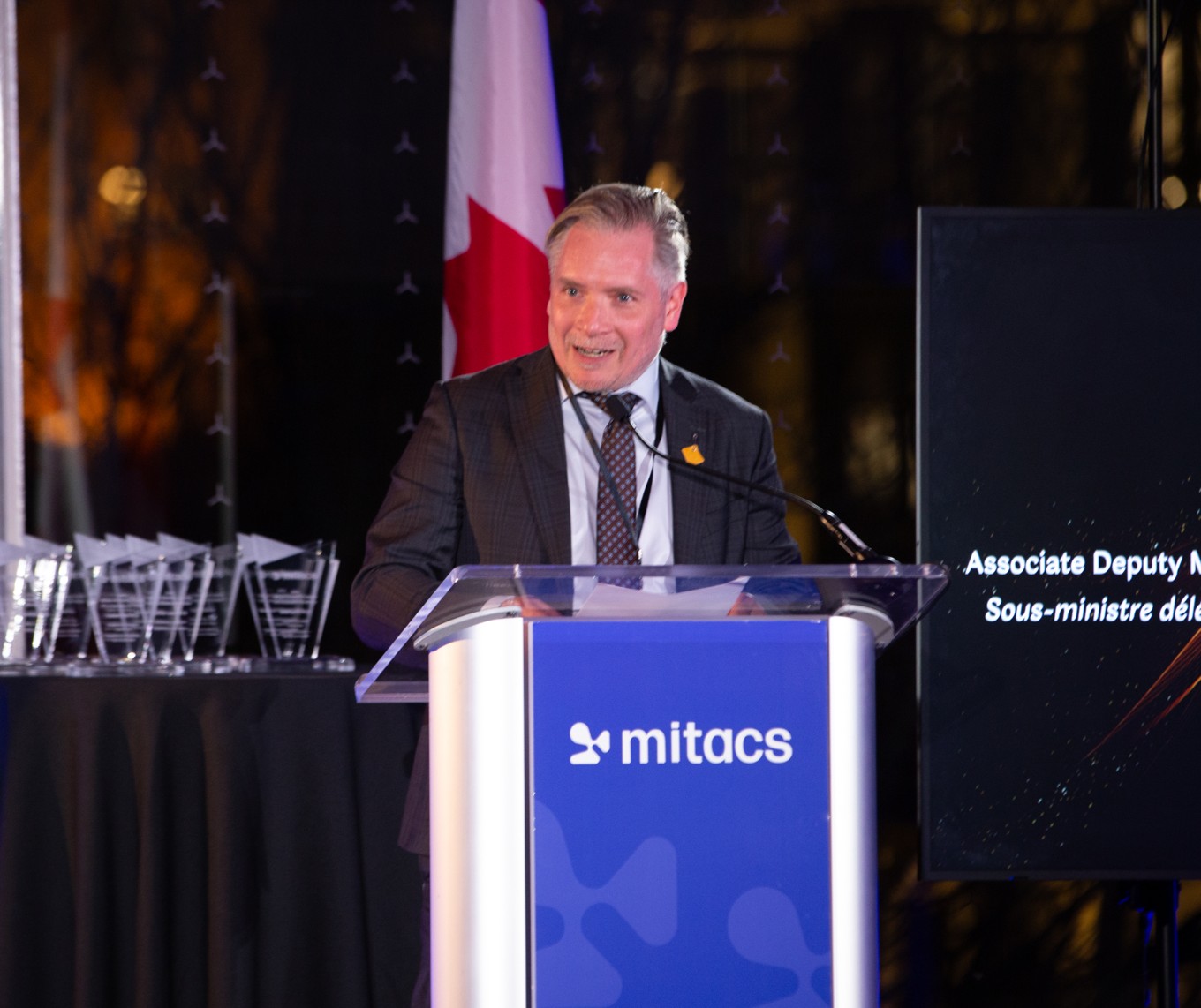 Mark Schaan
Thank you to Mitacs for the spirit of innovation you have truly instilled in the innovation ecosystem in Canada. I honour the profound impact of graduates of Mitacs’ programs launching businesses, capabilities, and skills across diverse fields, including AI and quantum.
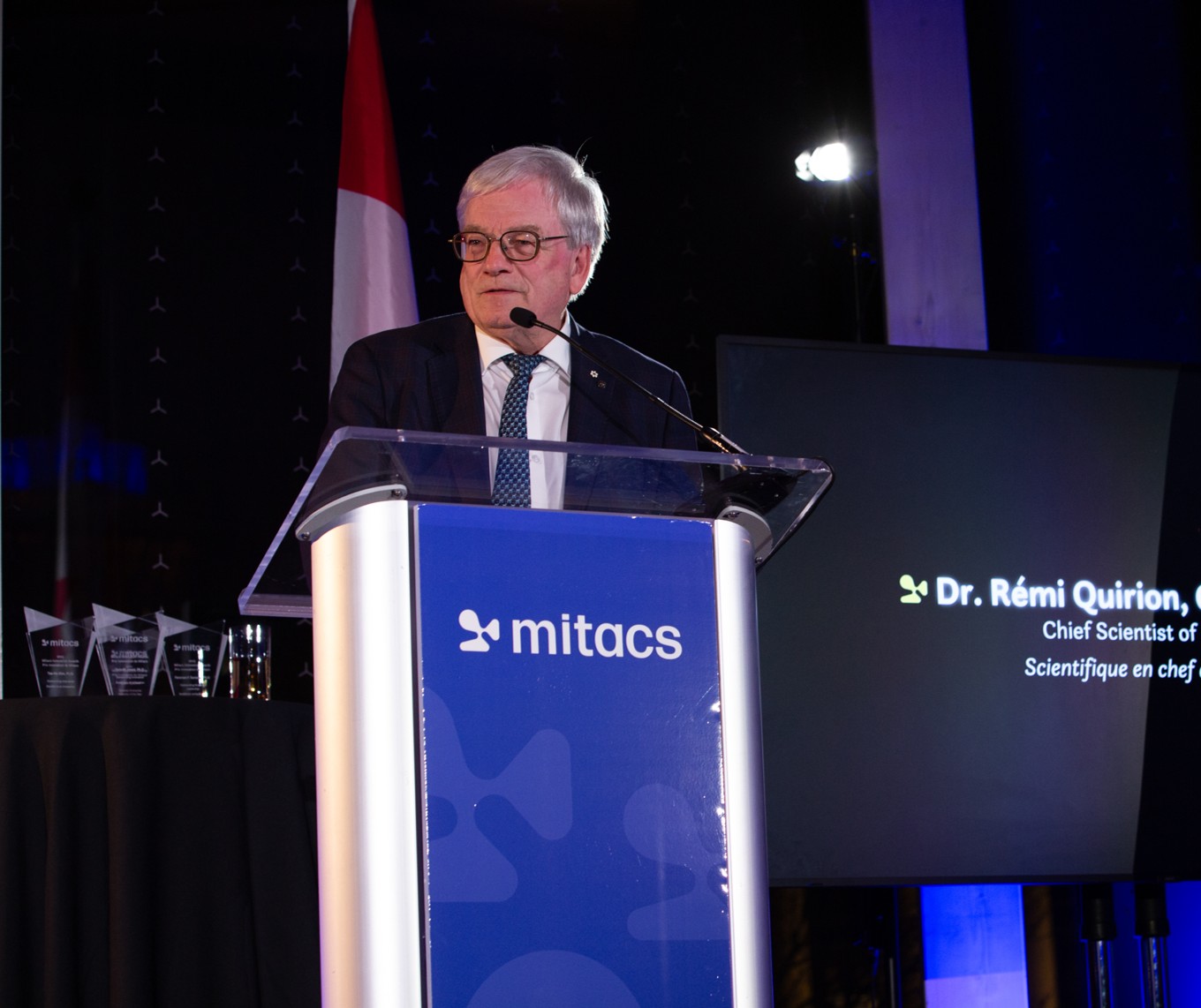 Dr. Rémi Quirion
The fact that so many of the Mitacs Innovation awardees are coming from all over the world strengthens our belief that it’s a huge asset to welcome young scientists to Canada — the next generation of researchers.
Eleven talented individuals and organizations were awarded for their impactful work across five categories.
With four winners in this category, the Mitacs Outstanding Innovator Award recognizes extraordinary talent from across Canada among students and postdoctoral fellows who have participated in a Mitacs program.
This category emphasizes the societal and economic impact of research, as well as its potential to drive innovation, strengthen communities, and address real-world challenges.

Dr. Nicoletta Faraone
Associate Professor, Chemistry Department, and
Head of Canadian Tick Research and Innovation Centre,
Acadia University
Dr. Faraone led development of an all-natural and long-lasting fabric spray tick repellent. The first-of-its-kind product offers an alternative to synthetic insect repellents like DEET.

Dr. Nello David Sansone
Postdoctoral Researcher, Multifunctional
Composites Manufacturing Laboratory,
University of Toronto
Dr. Sansone designed lightweight alternatives to the industry-standard glass-filled polypropylene (plastic) materials used by car manufacturers. With these new materials, manufacturers can design cars that use less energy to drive longer distances.

Dr. Tae-Ho Kim
Postdoctoral Fellow, Biomechatronic Systems Laboratory, Simon Fraser University
Dr. Kim designed a first-of-its-kind, self-powered continuous blood pressure (BP) monitor that provides measurements every few seconds. The device saves physicians the time it takes to collect multiple readings from traditional arm cuff BP monitors.

Dr. Sara Imani
Postdoctoral Researcher, McMaster University
Dr. Imani developed a coating that can reduce infection risk on surfaces in high-traffic areas such as hospitals, schools, and airports. The coating has demonstrated more than 99 percent efficacy at killing pathogens.

Nitesh Sanghai
PhD Candidate, College of Pharmacy, University of Manitoba
Sanghai’s promising new ALS drug brings hope for a better quality and longer life to the 3,000–4,000 Canadians living with the disease. The drug has shown potential to delay disease onset, prevent ALS-induced weight loss, and extend life.
The Inclusive Innovator Award celebrates students and postdoctoral fellows who have participated in a Mitacs program and who are from equity-deserving groups, helping to develop and foster a more inclusive innovation ecosystem.
It recognizes research achievements that promote social inclusion, incorporate diverse perspectives, and prioritize accessibility in the design and execution of innovative projects, products, and services.

Dr. Anne Laurie
Postdoctoral Researcher, Department of Education (Child Studies), Concordia University
Dr. Laurie’s work on an equitable Developmental Language Disorder (DLD) assessment tool has provided a culturally sensitive way to distinguish language differences from DLD, promoting early intervention for children who need it while avoiding mislabeling.
The Canadian Start-Up Innovator Award celebrates an outstanding Canadian innovator who has participated in the Mitacs Accelerate Entrepreneur program and has used that support to help launch or grow their entrepreneurial journey.
This award highlights the successful commercialization of research or the creation of a new business enterprise by a Mitacs program participant. It recognizes the potential created when research, ambition, and entrepreneurship align.

Dr. Narjes Allahrabbi
Postdoctoral Researcher, Electrical, Computer and Biomedical Engineering Department, Toronto Metropolitan University
Dr. Allahrabbi’s work on a novel sperm enhancement device offers a more affordable and accessible alternative to in vitro fertilization (IVF). Her Toronto-based start-up, Fertilead, is currently developing clinical and at-home versions of the technology.

Fattah Haeri
Biomedical Engineer, Femera Med Tech
Haeri’s start-up company, Femera, is commercializing a vaginal probe that restores tissue elasticity and strengthens pelvic floor muscles, offering women experiencing urinary incontinence a more affordable, accessible, and minimally invasive alternative to surgery.
The Canadian Enterprise Innovator Award celebrates a Mitacs industry partner whose leadership, adoption of emerging technology, and support for research and development demonstrate an ongoing commitment to innovation, talent, productivity, and economic growth.
This award recognizes partner organizations helping Canada compete more ambitiously and turn ideas into measurable results.
Hydro-Québec
Electricity Utility, Quebec
Through its innovation hub — and with the help of hundreds of Mitacs interns — Hydro-Québec is developing next-generation technologies to improve grid reliability, integrate renewable energy sources, and accelerate the transition from fossil fuels.
The Outstanding Research Leadership Award is presented to an academic supervisor with an exemplary record of developing collaborations with business partners.
Associated with a university, college, CEGEP, or polytechnic, the winner of this category provides valuable research and training experiences to Mitacs interns and supports impactful projects that connect talent, research, and industry.

Dr. Lucas Hof
Mechanical Engineering Professor and Director of Laboratory for Smart and Circular Manufacturing, École de technologie supérieure (ÉTS)
With support from more than 40 Mitacs interns over six years, Dr. Hof has developed innovations ranging from recyclable 3D-printed shoes and intelligent industrial safety systems to flexible solar panels and manufacturing processes that repurpose textile waste.

Faramarz Samavati
Computer Science Professor,
University of Calgary
Dr. Samavati’s made-in-Canada 3D digital earth system provides an alternative to traditional geographic information systems like Google Maps that represent the Earth as flat.
As one of Canada’s premier innovation celebrations, the event draws national media attention. Here’s just a small sample of the stories published leading up to or after last year’s edition:
Winnipeg Free Press
U of M chemist earns award for work on new drug candidate for treating Lou Gehrig’s disease
The Weather Network
Canadian tick researcher makes breakthrough at new ‘tickery’
Canada.com
Fredericton researcher wins national award
Canadian Metalworking
Montreal professor wins award for novel work boosting Canada’s manufacturing sector

Mitacs is funded by the Government of Canada, the Government of Alberta, the Government of British Columbia, Research Manitoba, the Government of New Brunswick, the Government of Newfoundland and Labrador, the Government of Nova Scotia, the Government of Ontario, Innovation PEI, the Government of Quebec, the Government of Saskatchewan, and the Government of Yukon.