

Related news
Discover more stories about Mitacs — and the game-changing innovations driven by students and postdocs.
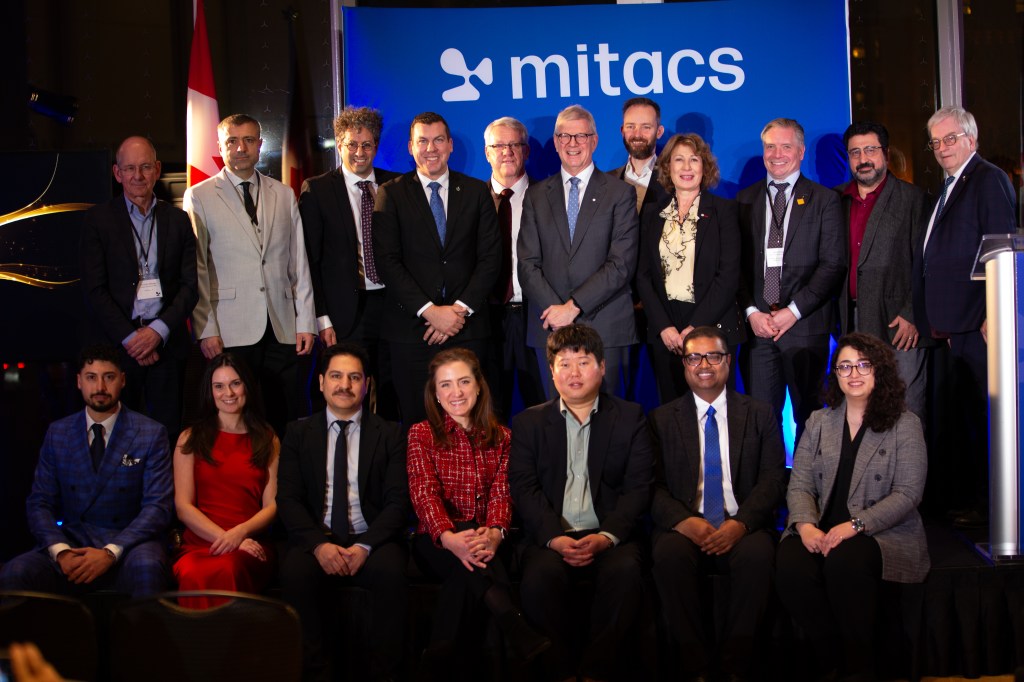
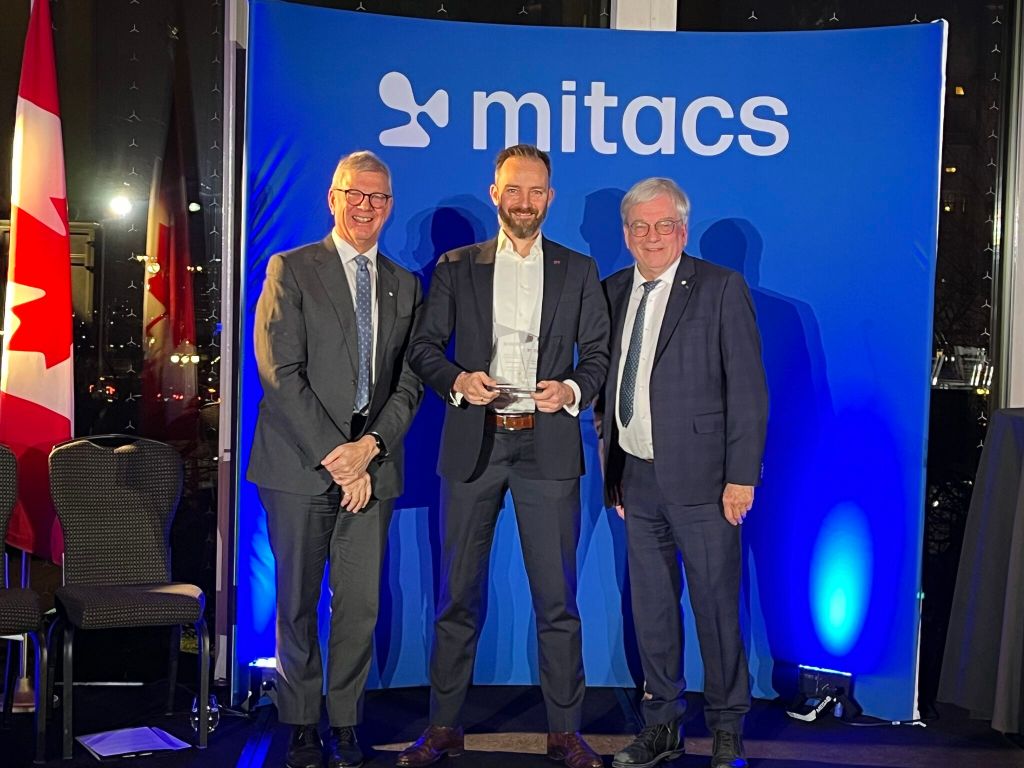
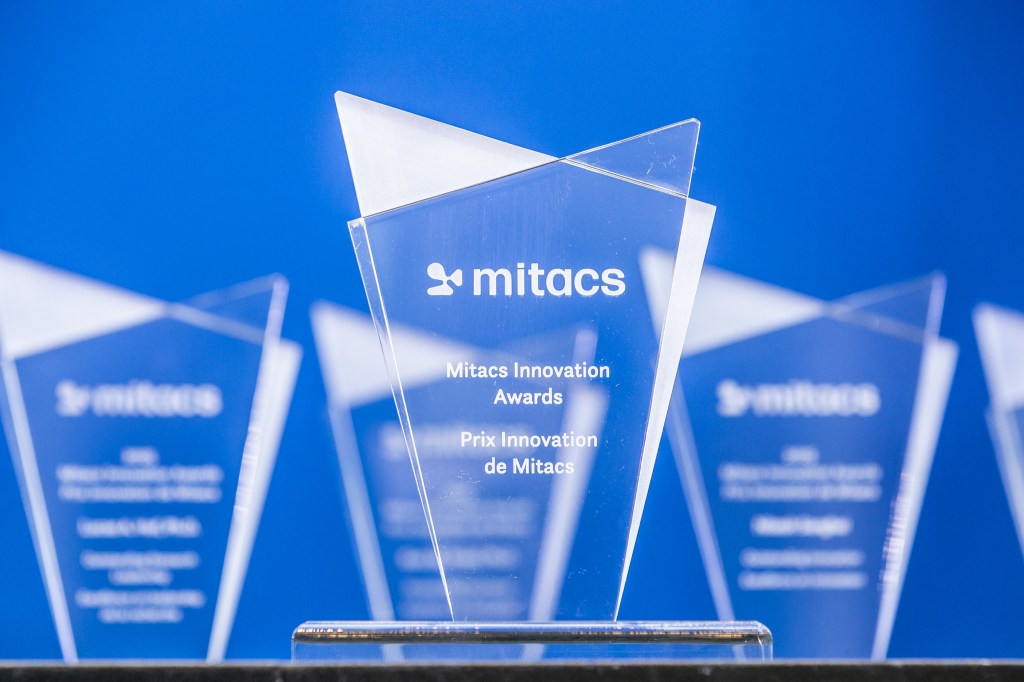
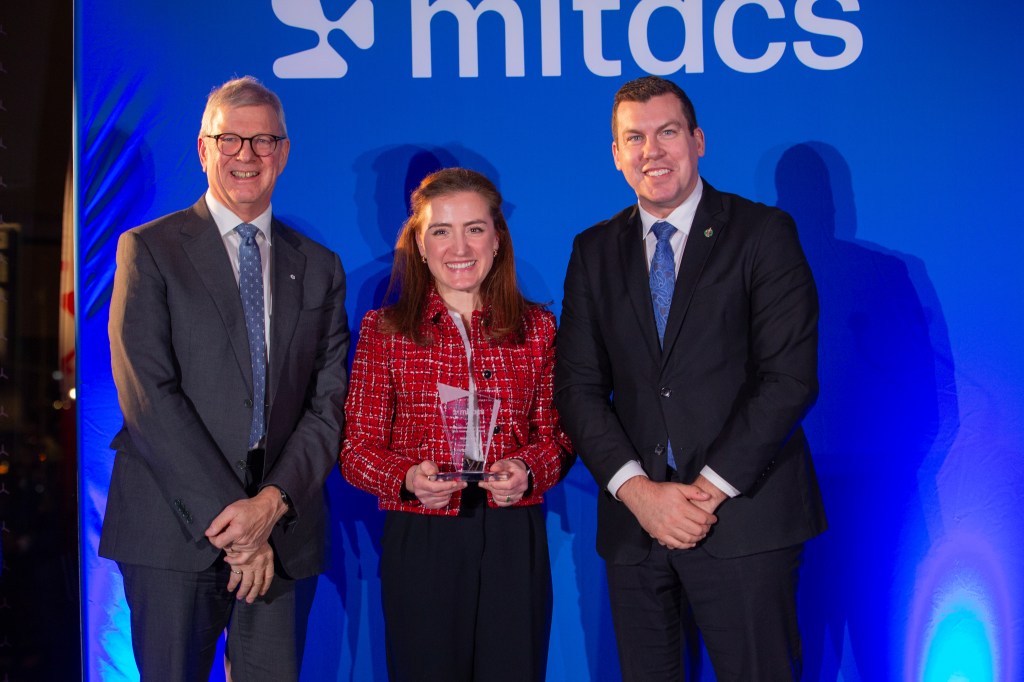
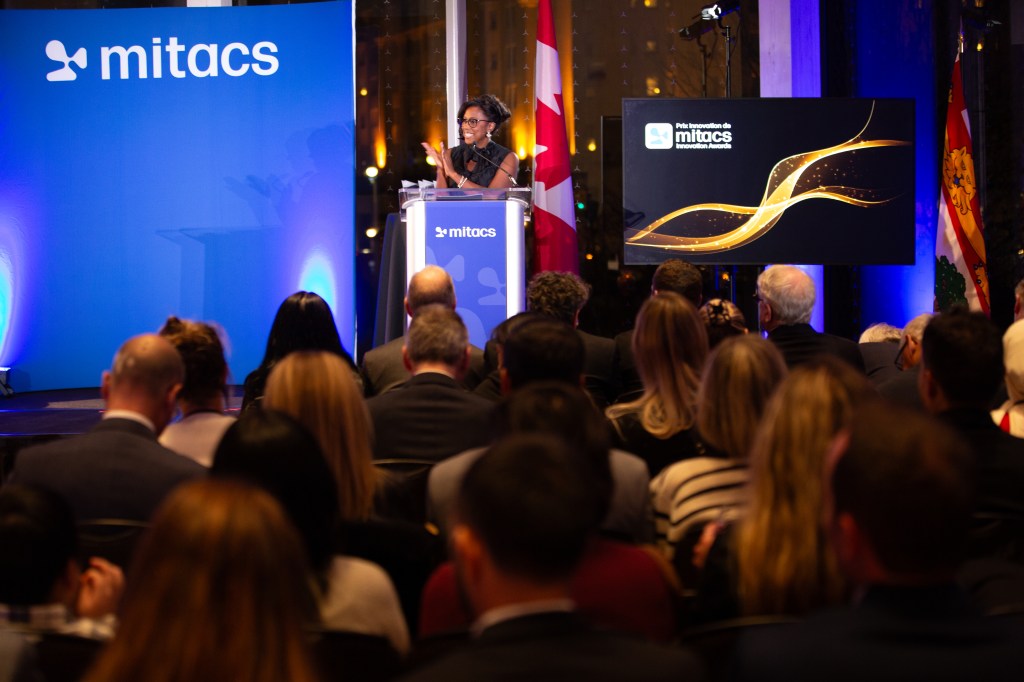
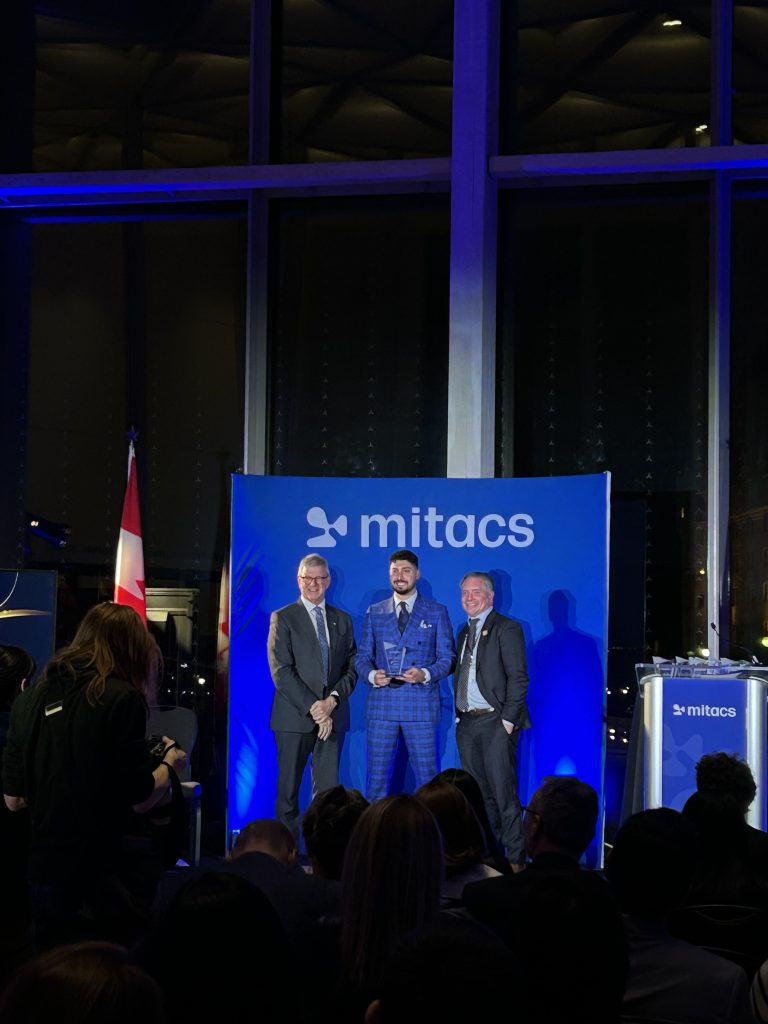
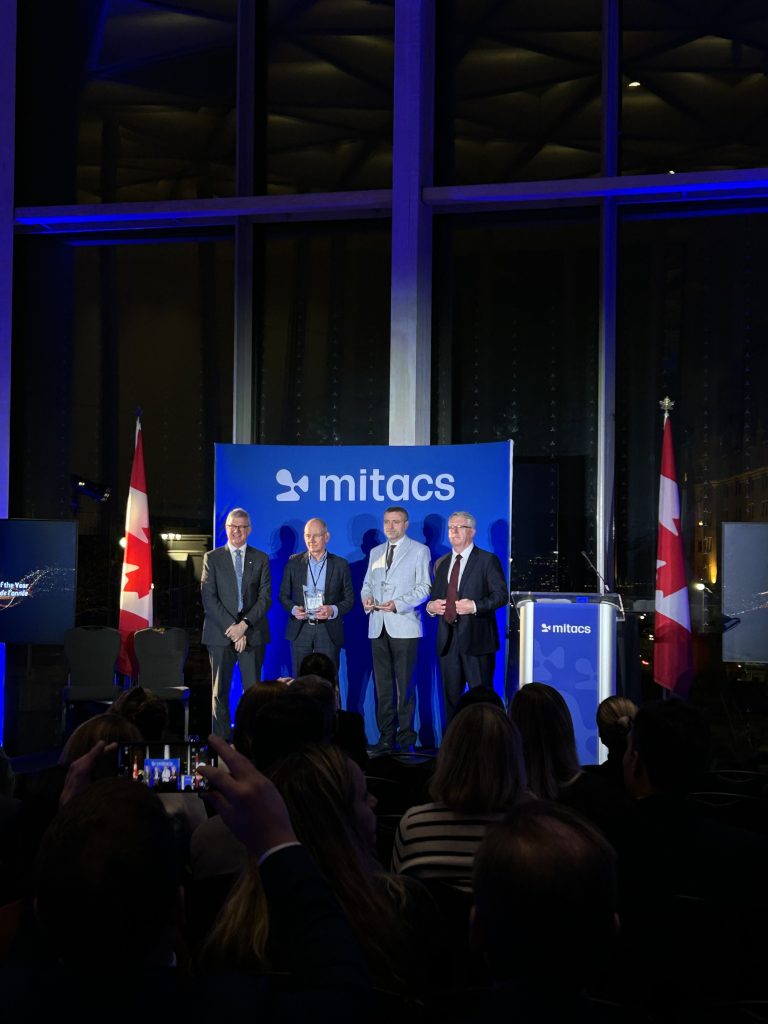
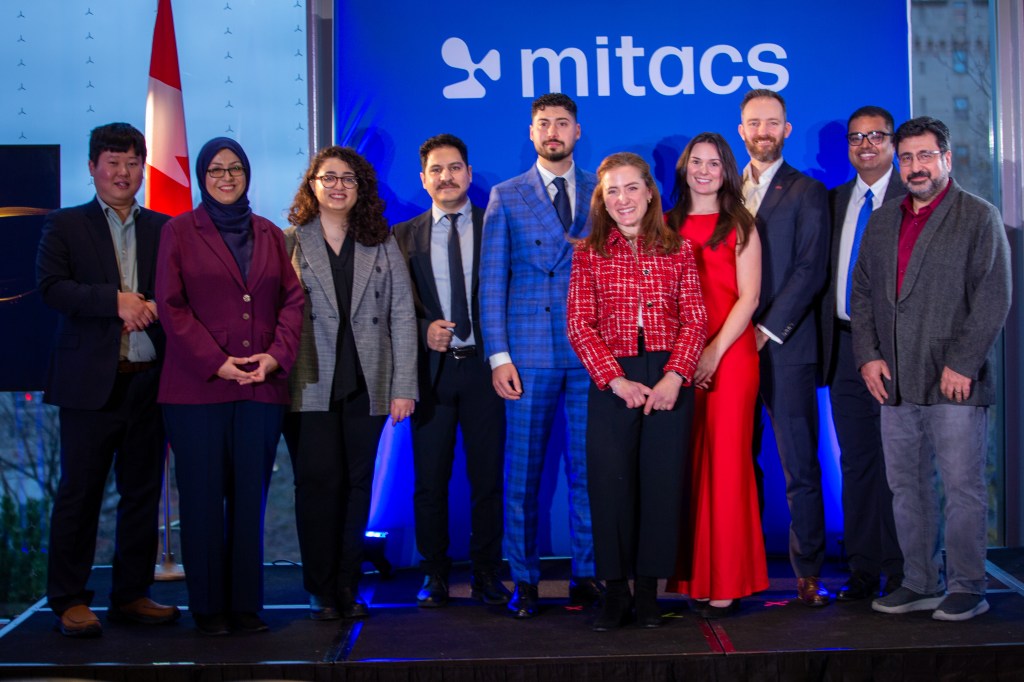
Ottawa, ON – The 2025 Mitacs Innovation Awards, presented at National Arts Centre and streamed online to a global audience, will bring together government, industry, and academic leaders to celebrate Canada’s top research and innovation talent. This year, eleven talented individuals and organizations will receive awards for their impactful work — from a first-of-its-kind, 3D digital earth mapping system and a promising new drug to treat ALS, to an antimicrobial surface coating that kills drug-resistant bacteria and breakthrough materials poised to revolutionize the automotive industry.
The awards are presented by Mitacs, a leading innovation organization that connects businesses and researchers with unrivalled access to talent, financial support, and the partnerships needed to turn ideas into impactful innovations. The ceremony includes five awards for Outstanding Innovation as well as awards honouring the Inclusive Innovator of the Year, two awards for Outstanding Research Leadership, two awards for Canadian Start-Up Innovator of the Year, and Canadian Enterprise Innovator of the Year.
Quotes
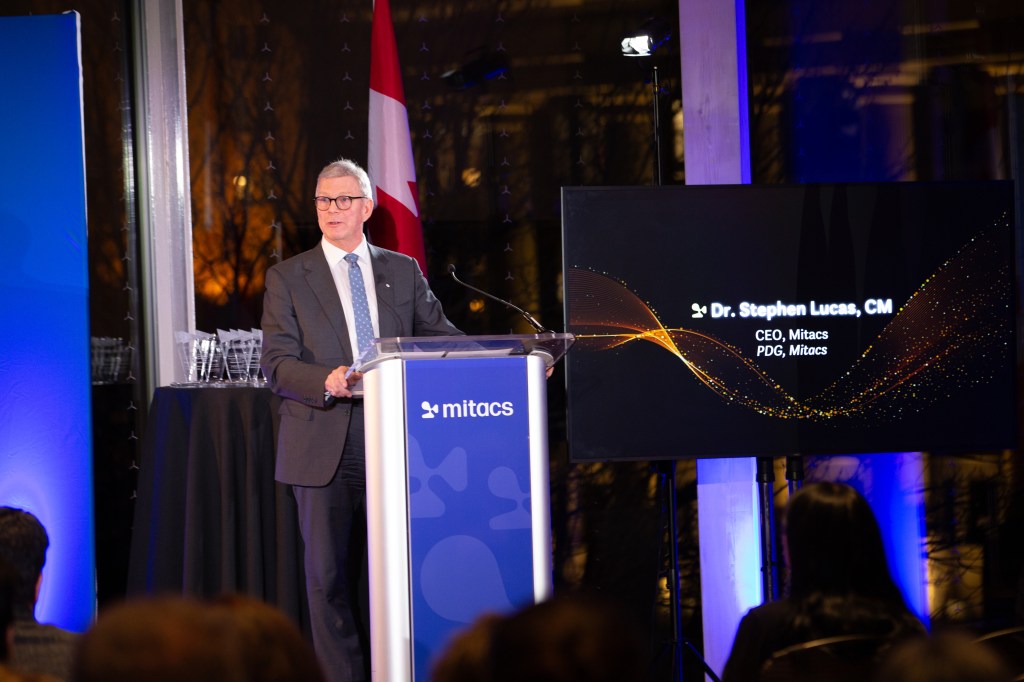
“For 15 years, the Mitacs Innovation Awards have recognized Canadian research and innovation talent, and this year’s cohort is no exception. At a time when we need to build a stronger and more resilient economy, these eleven innovators and organizations demonstrate what’s possible when we invest in ideas, talent, and innovation.”
Dr. Stephen Lucas, CEO, Mitacs
2025 Mitacs Innovation Award Winners
Dr. Nicoletta Faraone, an Associate Professor in the Chemistry Department at Acadia University and head of the university’s new Canadian Tick Research and Innovation Centre, has earned a Mitacs Innovation Award — Outstanding Innovation, for spearheading the development of a first-of-its-kind, Canadian-made all-natural and long-lasting fabric spray tick repellent. The breakthrough product — an alternative to synthetic insect repellents like DEET— is expected to be on the market by next summer.
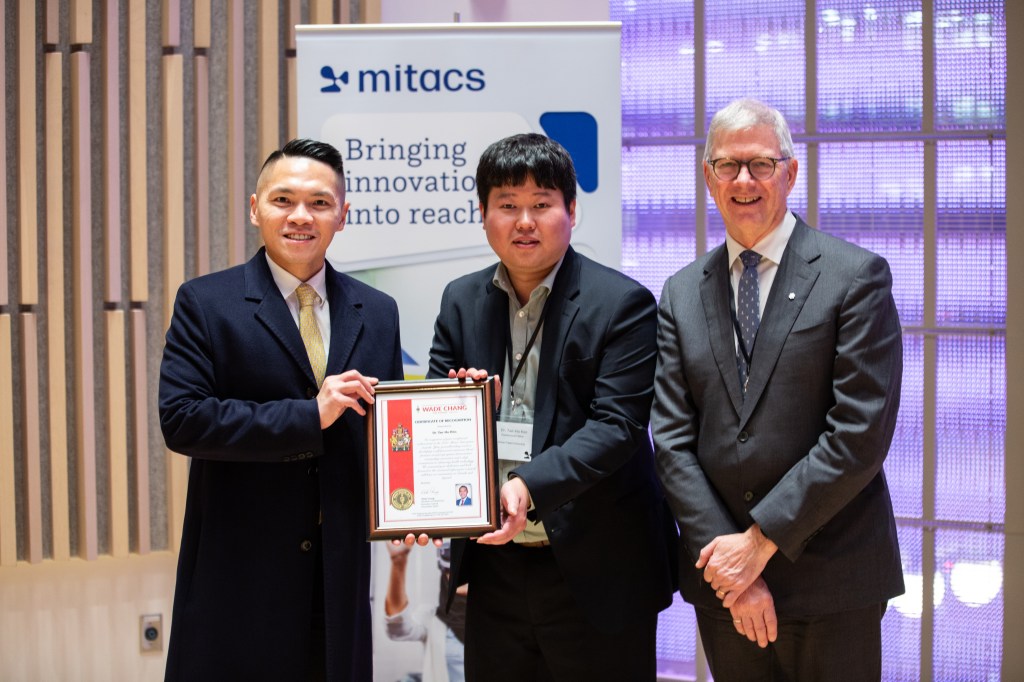
Dr. Tae-Ho Kim, postdoctoral fellow in the Biomechatronic Systems Laboratory at Simon Fraser University, has earned Mitacs Innovation Award — Outstanding Innovation for his groundbreaking work to design a first-of-its-kind self-powered continuous blood pressure (BP) monitor — a neckband with earphones — that provides measurements every few seconds.
Dr. Sara Imani, a postdoctoral researcher at McMaster University, has earned a Mitacs Innovation Award — Outstanding Innovation, for developing a first-of-its-kind coating that promises to reduce infection risk on high touch surfaces in high traffic areas, including hospitals, schools, businesses, airports, grocery stores and more. Applied like a standard paint or surface finish, the coating has demonstrated more than 99 percent efficacy at killing on contact pathogens like MRSA and Pseudomonas aeruginosa.
Nitesh Sanghai, a PhD candidate in the College of Pharmacy at the University of Manitoba, has earned a Mitacs Innovation Award — Outstanding Innovation for his breakthrough ALS drug discovery — a promising drug that brings hope for a better quality and longer life to the estimated 3,000 to 4,000 Canadians living with the debilitating disease. Patented and trademarked as Borsantrazole™, the drug has a demonstrated ability to delay disease onset, prevent ALS induced weight loss, and extend life in humanized preclinical ALS mouse models.
Dr. Nello David Sansone, a post-doctoral researcher working in University of Toronto’s Multifunctional Composites Manufacturing Laboratory (MCML), has earned a Mitacs Innovation Award — Outstanding Innovation for inventing breakthrough materials that are poised to revolutionize the automotive industry. Sansone has designed lightweight alternatives to the industry-standard glass-filled polypropylene (plastic) materials currently used by car manufacturers, giving manufacturers lighter, high-impact components they need to design cars that use less energy to drive longer distances.
Dr. Anne Laurie, postdoctoral researcher in the Department of Education (Child Studies) at Concordia University, has earned a Mitacs Innovation Award — Inclusive Innovator of the Year for her novel work to develop a first-of-its-kind equitable Developmental Language Disorder assessment tool that is filling a gap in the speech-language and ed tech markets. The tool, now offered on an online platform, is the first of its kind to provide a culturally sensitive way to distinguish between language difference and Developmental Language Disorder, ensuring children who need early intervention get it and avoid being mislabelled.
Dr. Lucas Hof, a Mechanical Engineering professor and director of the Montreal-based Laboratory for Smart and Circular Manufacturing at École de technologie supérieure (ETS), has earned a Mitacs Innovation Award — Outstanding Research Leadership for his novel work to boost Canada’s manufacturing sector. With the support of more than 40 Mitacs interns over six years, his innovations range from recyclable 3D printed shoes and intelligent industrial safety systems, to flexible solar panels and manufacturing parts from textile waste.
Faramarz Samavati, a Computer Science Professor at the University of Calgary, has earned a Mitacs Innovation Award — Outstanding Research Leadership,
for his role in developing a first-of-its-kind, made-in-Canada 3D digital earth system, launched as an alternative to traditional geographic information systems (GISs) like Google Maps that represent the Earth as flat.
Dr. Narjes Allahrabbi, a postdoctoral researcher working in the Electrical, Computer and Biomedical Engineering Department at Toronto Metropolitan University, has earned a Mitacs Innovation Award — Canadian Start-Up Innovator of the Year, for a novel
sperm enhancement device that fills a gap in the market as an affordable, accessible alternative to in vitro fertilization IVF for male infertility patients. Her Toronto-based start-up, Fertilead, is now in the process of developing both clinical and at-home versions of the technology, with a pre-clinical validation study expected to start early next year.
Fattah Haeri, a biomedical engineer has earned a Mitacs Innovation Award — Canadian Start-Up Innovator of the Year, for his breakthrough company Femera Med Tech. With an estimated one in two Canadian women over age 65 experiencing urinary incontinence, Femera is commercializing a revolutionary new treatment — a vaginal probe that restores tissue elasticity and strengthens pelvic floor muscles — offering women an affordable, accessible and minimally invasive alternative to surgery.
Hydro-Québec, energy sector leader, has earned the Mitacs Innovation Award — Canadian Enterprise Innovator of the Year. Through its innovation hub — the Institut de recherche d’Hydro-Québec (IREQ) — and with the help of hundreds of Mitacs interns, Hydro-Québec is working to develop next-generation technologies to improve grid reliability, integrate renewable energy sources and accelerate the move away from fossil fuels. The company’s student-led research spans emerging fields such as AI, cybersecurity, digital twins, robotics and advanced materials.
Photos by Gabriel Darveau
For over 25 years, Mitacs has helped grow the economy and develop the workforce of tomorrow, connecting industry with academia and global partners to solve real-world challenges. We support business-academic research collaboration through internships, co-funded with businesses, for undergraduate to graduate students and post-doctoral fellows.
As a national innovation connector, Mitacs takes a talent-first approach to strengthen innovation capacity and drive global competitiveness. We serve as an essential research-commercialization bridge, accelerating market entry and growth for new products and services.
This is a critical time for Canada to think big and take bold action. Mitacs is ready to help build a strong and resilient Canadian economy, powered by ideas, talent and innovation.
Mitacs is funded by the Government of Canada, the Government of Alberta, the Government of British Columbia, Research Manitoba, the Government of New Brunswick, the Government of Newfoundland and Labrador, the Government of Nova Scotia, the Government of Ontario, Innovation PEI, the Government of Quebec, the Government of Saskatchewan, and the Government of Yukon.
Discover more stories about Mitacs — and the game-changing innovations driven by students and postdocs.


